
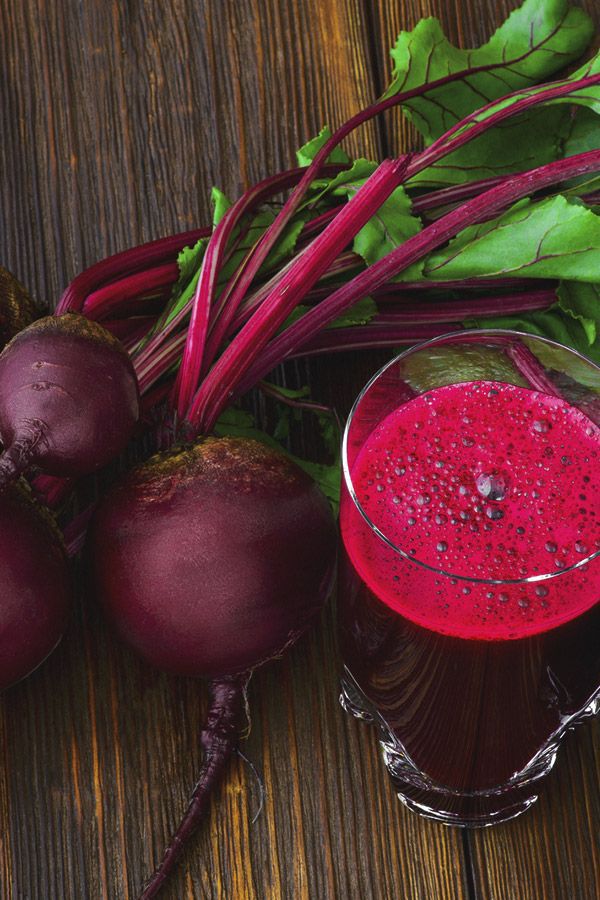
In the world of modern nutrition, plant-based foods play an important role in supporting overall well-being. Among these foods, beetroot stands out as an edible root known for its vibrant red color and its richness in bioactive compounds that may support various bodily functions.
From a nutritional perspective, beetroot is considered a nutrient-rich food. It contains natural antioxidants, vitamins, minerals, and phytochemicals that contribute to important physiological processes, including blood circulation, cellular metabolism, and digestive health.
One of the most interesting aspects of this vegetable is its concentration of betalains, antioxidant pigments that give beetroot its distinctive reddish color. These compounds have also been studied for their potential role in helping protect cells from oxidative stress.
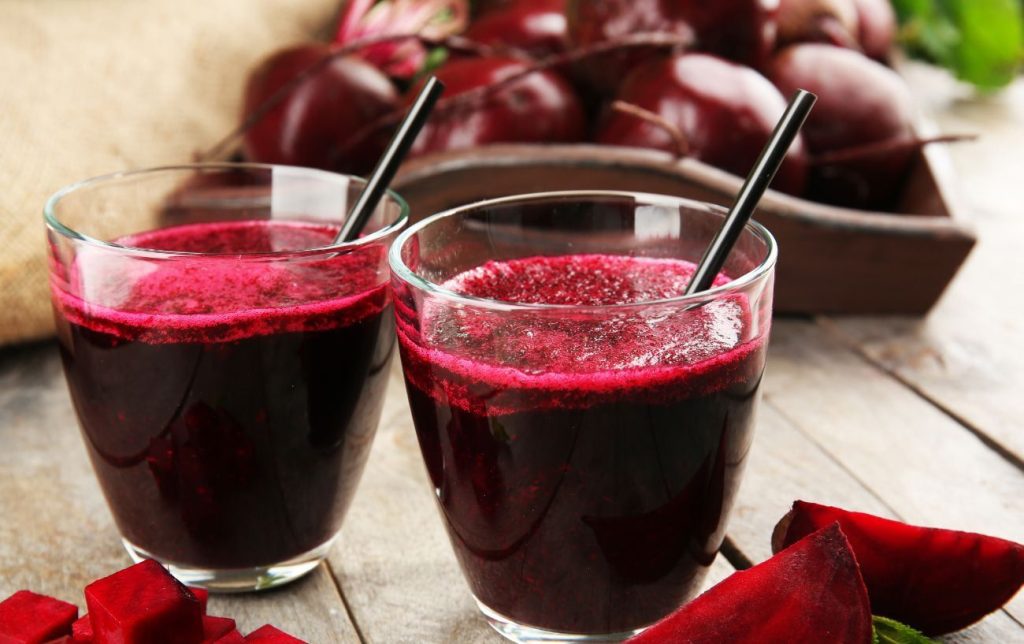
Beets also contain natural nitrates, which can be converted in the body into nitric oxide, a molecule involved in the widening of blood vessels and which may support healthy blood circulation.
For these reasons, consuming beetroot in the form of juice has become a popular practice among people who want to include natural beverages in their daily diet.
When this root vegetable is combined with ingredients such as carrots, apples, lemon, or ginger, it creates a balanced drink that provides vitamins, antioxidants, and naturally occurring compounds with potential anti-inflammatory properties.
It is important to remember that no single food can replace medical care. However, a diet rich in vegetables, fruits, and natural foods can contribute to the normal functioning of the body and support overall health.
In this article, you will learn more about the nutritional properties of beetroot, how this drink may benefit the body, and a complete recipe for preparing it at home.
- Key Nutritional Components
Nutrient : Role in the Body
Betalains : Antioxidants that help protect cells
Vitamin C : Supports normal immune function
Folate : Contributes to normal cell formation
Potassium : Helps maintain fluid balance and normal blood pressure
Iron : Contributes to the normal formation of red blood cells